

E-Waste in the Philippines: Legal and Environmental Risks of Corporate E-Waste Disposal Practices
The Risks of Corporate E-Waste
Understanding the corporate e-waste risks Philippines businesses face today is the first critical step in protecting your enterprise from massive legal and environmental liabilities.
From the rapid expansion of fintech to the sustained growth of the BPO sector, technology is the engine of our economy. However, every engine produces exhaust, and in the tech world, that exhaust is electronic waste (e-waste). While most sustainability programs focus on plastic reduction or energy efficiency, e-waste remains a dangerous “blind spot” for many executives.
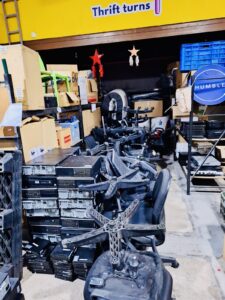
The Regulatory Landscape: RA 9003 and RA 6969
You must evaluate the corporate e-waste risks Philippines organizations encounter. Many leaders overlook the strict mandates of the law. Republic Act No. 9003 establishes a clear framework. RA 6969 also regulates hazardous waste control. These laws dictate how businesses must handle discarded electronics. E-waste is not regular trash. It contains hazardous components like lead. It contains cadmium and mercury. These materials require specialized handling. The law enforces the Polluter Pays principle. Your organization remains legally responsible for its hardware. You must prove a certified facility processed it.
The Gap in Corporate E-Waste Disposal Practices
Many companies believe they follow the law. They think selling old laptops to a scrap buyer ensures compliance. In reality, this action transfers the risk. It does not eliminate the liability. Informal collectors lack the proper technology. They cannot safely extract materials. They use backyard smelting methods. This practice poisons local soil and water. The government might find your branded equipment in an illegal dumpsite. The reputational damage hits your company directly.
The Case for Certified ITAD
You must transition to a professional IT Asset Disposition (ITAD) model. This move mitigates the corporate e-waste risks Philippines executives worry about. A certified partner provides a documented chain of custody. This tracking ensures we account for every circuit board. We neutralize every toxic component. You shift to certified processing. Your company mitigates legal liability. You protect your brand equity.
Related Reading: Learn the specific environmental numbers behind the crisis in: What Your Old IT Equipment Is Doing to the Environment.